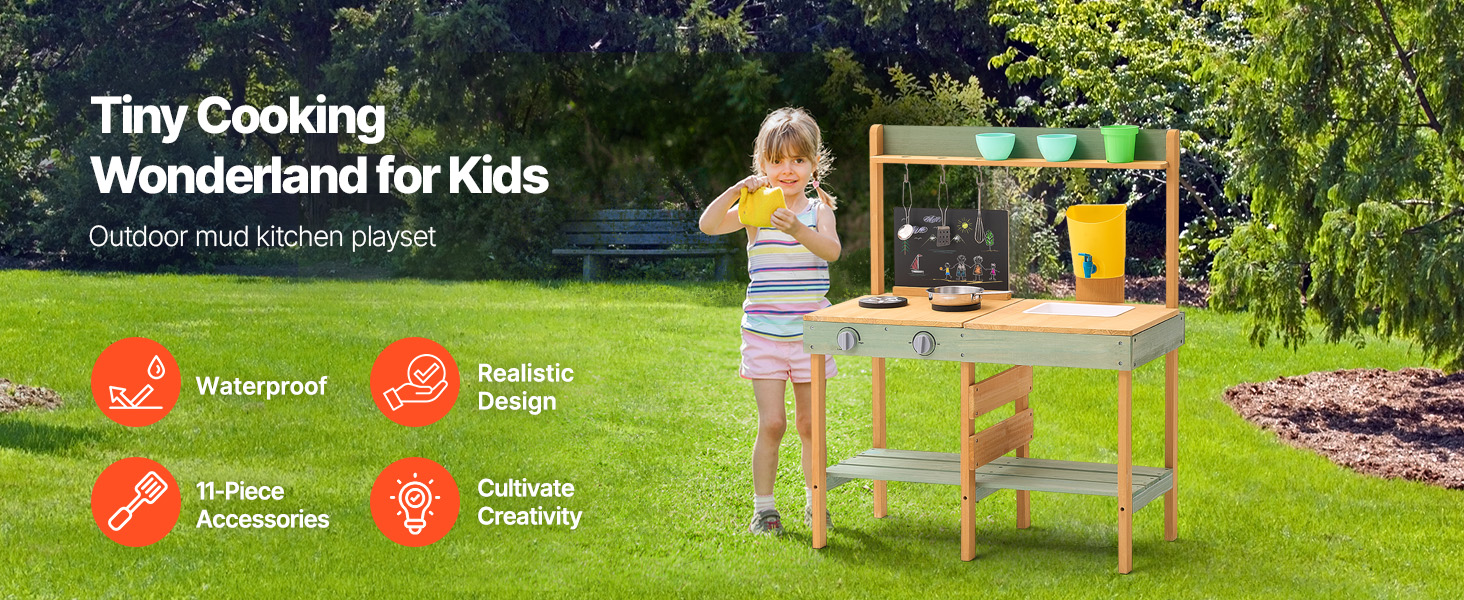
As parents, one of the most important things we can do for our children is foster an environment that encourages creativity. Creative play not only sparks imagination but also helps children develop important skills that will benefit them throughout their lives. From problem-solving and critical thinking to emotional expression and confidence-building, creative play is a powerful tool that aids in a child’s cognitive, social, and emotional development.
However, in today’s digital age, it can be easy for children to fall into the trap of passive screen time, such as watching TV or playing video games. While technology has its place, it’s vital to ensure that your child has plenty of opportunities for active, hands-on play that fuels their creativity. In this blog post, we’ll explore how you can encourage and nurture creative play in your child, helping them explore the world through their imagination.
One of the first steps in encouraging creative play is creating an environment that sparks curiosity and creativity. Children are highly influenced by their surroundings, so it’s important to provide a space that invites exploration and imaginative thinking.
Design a Play Space
A dedicated play area in your home can make a huge difference in fostering creativity. This space doesn’t have to be large; it just needs to be a place where your child feels free to explore their imagination. Consider adding:
Minimize Distractions
While a dedicated play space is important, minimizing distractions is equally crucial. Too many toys or constant noise can overwhelm a child and make it difficult for them to focus on a creative activity. Keep the space clutter-free and introduce new elements slowly, giving your child time to explore each item fully.
Children often model their behavior after the adults around them, so if you want to encourage creativity, it’s essential to lead by example. Show your child that creative play is not only fun but also an ongoing part of life.
Engage in Creative Activities Together
Get involved in the playtime and join your child in creative activities. This could include drawing, building with blocks, or acting out stories. When you participate, you not only bond with your child but also demonstrate that creativity is valued in your family. You don’t need to be an expert artist or actor—just be willing to experiment and let go of perfection.
Share Your Creative Hobbies
If you have creative hobbies of your own—such as painting, knitting, gardening, or playing a musical instrument—let your child see you enjoying these activities. Share why you love them and invite your child to try their hand at something similar. Encouraging a passion for creative endeavors in your own life can inspire your child to explore their interests in new ways.
Imaginative play is the heart of creative development. It allows children to take on different roles, create stories, and explore different scenarios. By encouraging this type of play, you give your child the freedom to experiment and discover their own voice.
Open-Ended Play Materials
Offer toys and materials that encourage imagination and do not dictate a specific way to play. For example:
Encourage your child to use these materials in creative ways. Don’t rush them through the process—let them take their time and explore different ideas. Whether they’re building a fort out of pillows, drawing a new monster, or playing pretend with stuffed animals, the possibilities are endless when imagination is at the forefront.
Storytelling and Role-Playing
Engage your child in storytelling or role-playing activities. This could be as simple as reading a book together and then asking your child to retell the story in their own words, or creating a scene where both of you pretend to be characters from a favorite show or book.
Role-playing allows children to experiment with different personas and scenarios. It encourages problem-solving, empathy, and communication skills as they navigate their imaginative worlds. You can even take it a step further and create simple props or costumes to bring these stories to life.
In a busy world full of scheduled activities and structured learning, it’s easy to overlook the importance of unstructured playtime. However, creative play thrives when children have time to explore and engage in activities on their own terms.
Limit Screen Time
While technology is a part of modern life, it’s important to limit passive screen time. Instead of giving your child access to devices like tablets or televisions, encourage them to play outside, explore nature, or engage in hands-on activities. This creates opportunities for your child to engage their imagination without the constraints of pre-programmed content.
Unstructured Outdoor Play
Spending time outside is one of the best ways for children to tap into their creativity. Nature offers endless possibilities for imaginative play, whether it’s exploring a nearby park, building a fort from sticks, or pretending to be explorers in the woods. Outdoor play promotes physical activity and exposes children to different textures, sounds, and environments that can fuel their creativity.
Free Play Time
Allow your child to spend time on their own without a structured agenda. Free play gives them the space to decide what they want to do, whether it’s playing with toys, building something new, or creating an imaginary world. This fosters independence and boosts self-confidence as children learn to entertain themselves and make decisions.
Creativity isn’t just about making things—it’s also about solving problems in new and innovative ways. Through creative play, children can learn how to think critically, experiment, and work through challenges in their environment.
Offer Challenges and Puzzles
Introduce challenges that require problem-solving, such as puzzles, games, or simple DIY projects. These activities encourage children to think creatively as they come up with solutions. For example, you can challenge them to build the tallest tower with blocks or to draw a picture using only three colors.
Praise Effort, Not Just Results
Instead of focusing on the end product, praise the effort your child puts into their creative process. Recognize their hard work, problem-solving abilities, and perseverance. This teaches children that creativity is about exploration and growth rather than just achieving a perfect result.
Every child is different, and as a parent, it’s important to support their individual interests and creative inclinations. Whether your child enjoys painting, building, acting, or dancing, make space for them to explore these passions further.
Provide Opportunities for Exploration
If your child shows an interest in a particular activity—whether it’s drawing, music, or science—provide them with the resources they need to explore it further. This could mean enrolling them in a local art class, buying a set of musical instruments, or simply giving them more access to related materials at home.
Celebrate Their Creations
Take the time to admire and celebrate your child’s creative efforts. Display their artwork, praise their accomplishments, and encourage them to share their creations with others. Recognition and encouragement can go a long way in boosting their confidence and enthusiasm for creative play.
Conclusion
Encouraging creative play in your child is one of the most impactful things you can do to support their growth and development. By providing the right environment, offering the right tools, and allowing ample time for exploration and imagination, you can nurture your child’s creativity and set them on a path toward becoming a confident, problem-solving, and imaginative individual. Remember, creativity is a journey, not a destination. The more you embrace and support your child’s creative endeavors, the more they will thrive in their ability to think outside the box and express themselves freely. So, encourage their curiosity, let them play freely, and watch their creativity flourish!